ВУЗ: Не указан
Категория: Не указан
Дисциплина: Не указана
Добавлен: 10.04.2021
Просмотров: 1730
Скачиваний: 3

Учебно-познавательная сфера общения. Учебно-методическое пособие
по
английскому языку для студентов естественно-научных факультетов. Изд.
3-е, переработанное. Составители: И.Ю. Вострикова, М.А. Стрельникова. –
Воронеж: Истоки, 2012. – 74 с.
Печатается по решению научно-методического совета ф-та РГФ
(протокол № 5 от 29 мая 2012 г.)
Настоящее учебно-методическое пособие подготовлено на кафедре
английского языка естественно-научных факультетов факультета РГФ
Воронежского государственного университета и предназначено для
студентов первого курса естественно-научных факультетов.
Целью пособия является развитие у студентов продуктивных и
рецептивных видов речевой деятельности в рамках социально-культурной
сферы общения: говорения, письма, чтения и аудирования. Тренируются
различные стратегии чтения (просмотровое, поисковое, детальное),
развиваются навыки диалогической и монологической речи.
Пособие рассчитано на 36 часов аудиторной и 36 часов самостоятельной
работы.
Пособие состоит из 5 разделов (Units), охватывающих основную
тематику общения в учебно-познавательной сфере: роль образования в
современном мире, высшее образование в России и за рубежом, история и
традиции вузов, внеучебная деятельность студентов, академическая
мобильность.
Каждый раздел содержит предтекстовые упражнения; аутентичные
письменные тексты и тексты для аудирования; послетекстовые упражнения,
направленные на проверку понимания; блок упражнений на обсуждение
информации, полученной из текстов; а также упражнения, направленные на
формирование и развитие навыков письменной речи.

3
CONTENTS
UNIT 1 Education p. 4
UNIT 2 Higher Education in Russia and Abroad p. 13
UNIT 3 My University p. 30
UNIT 4 Academic and Non-academic Activities p. 41
UNIT 5 Academic Mobility p. 56

4
UNIT 1
Education
In this unit you will:
Read
about University fees, Lakeside College and lifelong learning
Talk about
education in general, teachers, universities and problems at colleges
Test your
basic knowledge about education
Practice
asking and responding, suggesting and sharing ideas
Listen to
a student talking about a teacher; people talking about university; a
meeting talk
1.LEAD-IN
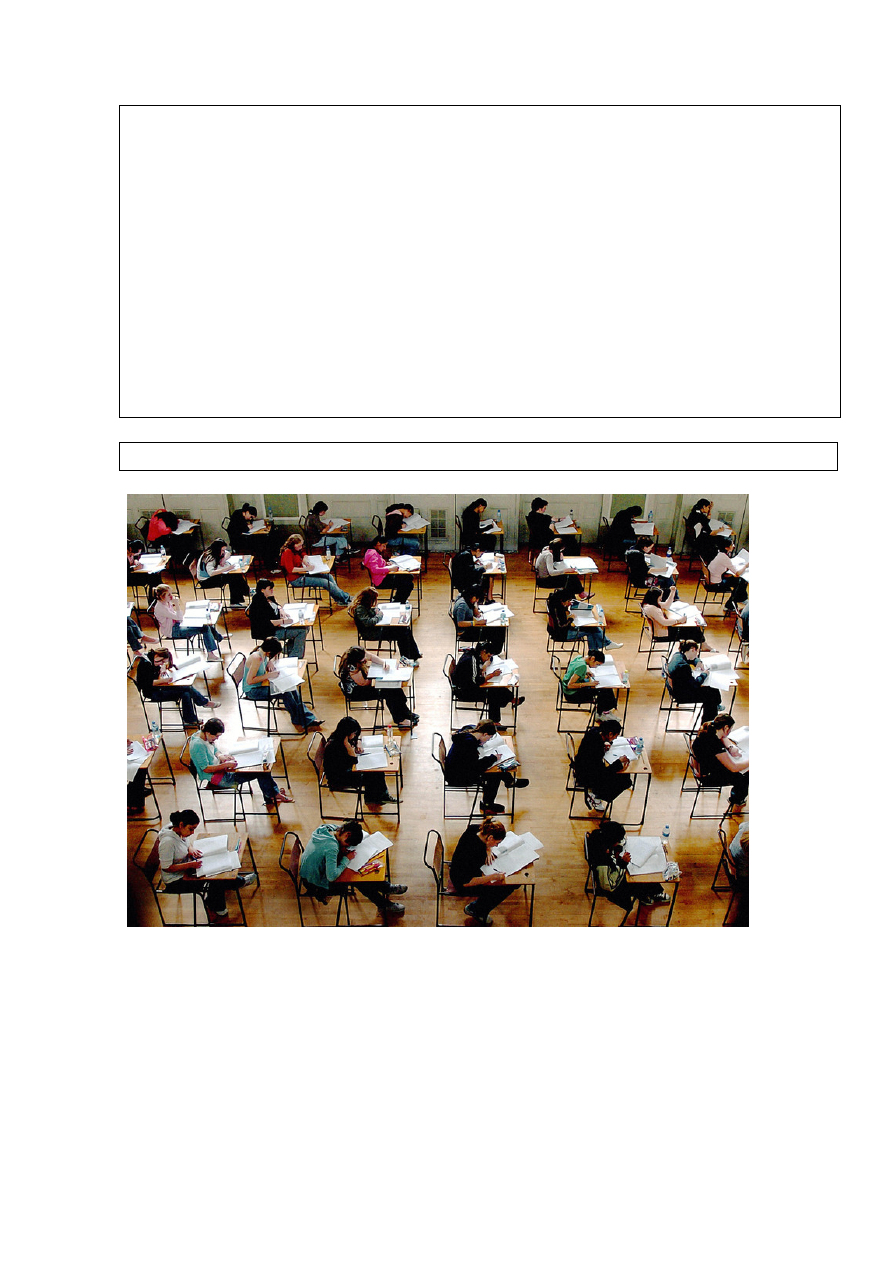
1a Look at the picture and try to guess where this picture could be taken?
Describe the pictures in 5-6 sentences.
1b Choose from the list the saying you like best to speak on education:
Graduation is only a concept. In real life every day you graduate. Graduation is
a process that goes on until the last day of your life. If you can grasp that, you’ll
make a difference. ~
Arie Pencovici

5
Education is what remains after one has forgotten what one has learned in
school.
~Albert Einstein
An educational system isn't worth a great deal if it teaches young people how to
make a living but doesn't teach them how to make a life.
~Author Unknown
1c Add into the list your favorite saying. Make the list of five sayings.
1d Work with a partner to discuss the following questions about education in
your country. Check that you know all the words in italics.
1.
What age do children usually start
primary
(or
elementary)
school?
2.
What age do children usually leave
secondary
school?
3.
What age does
compulsory education
start? At what age does it finish? Do
you think these are the correct ages?
4.
Do most people go on to
higher education?
Why / Why not? Do they have
to pay?
5.
Are
exams
or
continuous assessment
more common? Which is the better
way of monitoring progress? Why?
1eLook at the phrases below. Make the correct word combinations. Suggest
the equivalents in your native language.
go
to school / to a place at university / to college
revise
for an exam / a subject / a test
graduate
from university / from primary school / from high school
get
a degree / a good grade / an exam
take/ retake
homework / an exam / a course
pass/ fail
an exam / a course / a good result
hand in
an essay / a seminar / an assignment
do
progress / coursework / your best
make
mistakes / progress / homework
study
an exam / a subject / a language
1f In small groups, ask and answer questions using the combinations above.
e.g. How do/did you revise for exams?
1g Work in groups and discuss the following.
1.
Universities should spend more time teaching the skills people need to get a
job.
2.
Education is basically a social experience. The atmosphere is the most
important thing.
3.
There should be no private education. All children should attend state
schools/universities.
4.
The purpose of secondary education is to prepare you for life.
5.
Examination results are the most important aspect of education.

6
6.
Academic achievement depends mainly on your teacher.
7.
Teachers should be paid according to the exam results of their students.
8.
Sport is the most important subject at the university.
2.LISTENING AND SPEAKING
2aDo you agree with the following sayings? Why? Why not?
A teacher who is attempting to teach without inspiring the pupil with a desire
to learn is hammering on cold iron.
~ Horace Mann
A successful teacher needs: the education of a college president, the executive
ability of a financier, the humility of deacon, the adaptability of chameleon,
the hope of an optimist, the courage of a hero,, the wisdom of a serpent, the
gentleness of a dove, the patience of job, the grace of God and the persistence
of the devil.
~Anonymous
Most of us end up with no more than five or six people who remember us.
Teachers have thousands of people who remember them for the rest of their
lives.
~Andrew A. Rooney
2b L1.1 Listen to a university student talking about a teacher. Does he say the
teacher was good or bad?
2c Listen again and tick (√) which of the following adjectives he uses to
describe the teacher.
friendly informal easy-going strict punctual late formal well prepared
interesting
2d Look at the words from the listening below and use your dictionary to find
the meanings of any you do not know.
environment method unique approach pace criticize
2e Tell your partner about your favorite / worst teacher at school. Write a
short profile (80-100 words) of him or her. Use Track L1.1 to help you.
3.READING AND SPEAKING
3aWith a partner, make a list of reasons for going to university. Then read the
article quickly and check the reasons given. Are they the same as yours?
3b Read the article again and fill the gaps with these extracts.
a) As it is, with the current virtually non-existent level of financial support in this
country, students already often have to take out loans to pay for general living
costs;
b) many graduates have to accept positions which are not challenging or well-paid;