ВУЗ: Не указан
Категория: Не указан
Дисциплина: Не указана
Добавлен: 17.08.2020
Просмотров: 996
Скачиваний: 3
to cook – готовить
to boil – варить, кипятить
to fry – жарить (в большом количестве масла)
to bake – запекать
to roast – жарить (на сковороде)
to grill – жарить на гриле
to heat – подогревать
to freeze (froze, frozen) - замораживать
to slice – резать на ломтики
to cut with a knife – резать ножом
to prepare – готовить
barbecue – барбекю (способ приготовления мяса или название соуса)
meat – мясо
fish – рыба
garnish – гарнир
sauce – соус
dressing – заливка для салата, глазурь на торте
mayonnaise – майонез
porridge – каша
corn – кукуруза
cornflakes – кукурузные хлопья
soup – суп
noodle-soup – суп-лапша
bullion (broth) – бульон
vegetables (овощи):
cucumber – огурец
beetroot – свекла
tomato – помидор
potato – картофель
mashed potato – толченый картофель
cabbage – капуста (кочанная)
fruit (фрукты):
apple – яблоко
orange – апельсин
tangerine – мандарин
peach – персик
grapes – виноград (всегда мн. число)
plum – слива
banana – банан
a bunch – связка, гроздь, охапка, пучок
a loaf – буханка, кочан
a slice – ломтик, ломоть
a pack – пачка, упаковка
a carton – коробка, упаковка (типа тетрапак для молока, кефира и т.п.)
a handful – горсть
a dozen – дюжина
sweets – сладости
candy – конфета
dessert – дессерт
(first, second) course – (первое, второе) блюдо
beverages/ drinks – напитки
soft drinks/strong (alcohol) drinks – безалкогольные/алкогольные напитки
to have something for dessert (breakfast, lunch, dinner) – съесть что-то на десерт (завтрак, обед, ужин)
to have breakfast (lunch, dinner) – завтракать (обедать, ужинать)
to have a bite - перекусить
to have a sweet tooth – быть сладкоежкой
to stick to a diet, to be on a diet – придерживаться диеты, сидеть на диете
to lose weight, to put on (to gain) weight – терять вес, набирать вес
substantial meal – существенная еда
to be thirsty (hungry) – испытывать жажду (голод)
fast food - быстрое питание, еда в ресторанах быстрого питания
healthy food – здоровая еда
vegetarian – вегетарианец, вегетарианский
russian (chinese, french etc.) cuisine – русская (китайская, французская) кухня
canteen – столовая
café – кафе
restaurant – ресторан
to be on the menue – быть в меню
at the table, on the table – за столом, на столе
to lay the table – накрывать на стол
to clean the table – убирать со стола
table cloth – скатерть
plate – тарелка
dish – блюдо (большая тарелка), во множ. числе - посуда
to wash the dishes – мыть посуду
cup – чашка
spoon – ложка
fork – вилка
knife – нож
to be a good cook/ to be good at cooking – хорошо готовить
to taste something – пробовать на вкус
tasty (delicious) – вкусный
stale (fresh) bread – черствый (свежий) хлеб
hard (soft, tender) meat – жесткое (мягкое, нежное) мясо
crispy – хрустящий
sour – кислый
bitter – горький
sweet – сладкий
spicy – острый (перченый или с большим количеством специй)
salty – соленый
hot – горячий
greasy – жирный
to chew – жевать
to swallow – глотать
a) Text 4. Meals
In most the countries people have three or four meals a day. A day is usually started with breakfast: what people have for breakfast depends on many things. First of all, men usually have a more substantial breakfast than women. Secondly, what people prefer to eat can depend on their national traditions. A traditional English and American breakfast can include toasts with marmalade (or pancakes with syrup), fried eggs with bacon, some vegetables and tea or coffee. Oatmeal has been known as a typically English breakfast for many years already. But now many people all over the world know that it is a very healthy and important part of a morning meal. An alternative to porridge can be also cornflakes, which are eaten with milk.
At about noon people in Europe and the USA usually have lunch – earlier it used to be just a light meal consisting of some salad or sandwiches. But nowadays it is already a more substantial meal which can include a noodle-soup or some vegetable soup or meat broth for example and even some meat or fish course with garnish, and some sweets or fruit for dessert.
In Russia people usually wait till two or three in the afternoon to have their midday meal. And we call it dinner. It usually consists of three courses: a vegetable soup on meat broth, for example, cabbage soup (schi) or beet-root soup (borsch), a meat course with some garnish (for example, mashed potato) and a dessert.
At about five o’clock English have their traditional five-o’clock tea. By the way the British prefer their tea very strong and white. They have it with some cookies or pies. In the USA tea as a special meal is not so common.
At about six or seven in the evening (sometimes even later) English people and Americans have dinner. For them it is usually the most substantial meal of the day. Sometimes they go to a restaurant to have dinner, or cook it at home. They can have a vegetable salad with a mayonnaise dressing, roasted meat with potatoes, or grilled fish and ice-cream or a cake for dessert.
If a person doesn’t stick to a diet, he or she can have one more light meal before going to sleep – supper – which includes a glass of milk with cookies or some salad or a bowl of curds with sugar.
b) Ask your groupmates:
– что они едят на завтрак
– какое у него (нее) любимое блюдо
– предпочитает ли он (она) легкий завтрак или плотный
– придерживается ли он (она) какой-то особой диеты
– где он (она) любит есть вне дома
– часто ли он (она) ходит в кафе, ресторан
– что за блюда он (она) обычно берет
– что он (она) предпочитает мясо или рыбу
– какие фрукты и овощи он (она) любит больше всего
– какие напитки и соки
– умеет ли готовить
– что за блюдо получается у него (нее) лучше всего
– кто в семье накрывает на стол, убирает со стола, моет посуду
c) Different food is measured differently: milk in glasses or cartons (коробки тетрапак) or bottles, eggs in Britain – in dozens. Make all possible combinations of the food from the right column with the suitable phrases from the left column:
|
a loaf of a pack of a bottle of a glass of a cup of a pair of a kilo of a litre of a handful of a spoon of a bowl of a piece of a number of a bunch of a dozen |
milk grapes eggs tea juice apples flowers cola cherries salt sugar butter bananas potato tomato meat cheese jam |
* Additional Information:
In Great Britain there is a special way of measuring food: for example, instead of kilograms they have pounds (1 pound= 500 g), instead litres (l) – quarts. One quart equals 1/4 gallon (1 gallon = 4.5 l), or 2 pints (1 pint = 0.56 l). Milk is usually measured in gallons and quarts, beer – in pints.
d) Text 4a. Read the dialogues and act them out.
VOCABULARY 4a
waiter – официант
to order – заказывать
to feel like doing something – быть непрочь сделать что-то, хотеть
Do you feel like having a bite? – Не хочешь перекусить?
how would you like you meat? – как бы вы хотели чтобы было приготовлено мясо?
rare, medium-rare, well-done – с кровью, средне прожаренное, хорошо прожаренное
still water/ sparkling (carbonated) water – вода без газа/газированная
reservation/ to reserve a table – заказ, бронь/заказывать (бронировать) столик
to be worth the price – стоить запрашиваемых денег
Dialogue 1.
Administrator: Do you have a reservation?
Anna: Yes, the name is Jones. There are two of us.
Waiter: Are you ready to order now?
Julia: One moment. Let me see what is on the menu. What would you like to eat?
Anna: I am so hungry, I could eat an elephant I suppose. I’ll take Greek salad to start with, then roasted meat with potatoes and barbecue sauce, and then green tea with a cheesecake please.
Waiter: How would you like your meat: well-done, medium-rare?
Anna: Medium-rare please.
Waiter: What about you, ma’am?
Julia: I would like to have fish: let it be grilled salmon with rice and without sauce, Caesar salad without chicken, and coffee without sugar.
Waiter: Very well, ma’am. Would you like any dessert?
Julia: No, thank you. I’m trying to lose weight.
Waiter: Anything to drink? We have a wide choice of very good French wines.
Julia: No alcohol please. Only two bottles of mineral water.
Waiter: Still or sparkling?
Julia: Sparkling please.
Waiter: Anything else?
Anna: Yes. Two loaves of bread please. And bring the bill with the coffee.
Waiter: Did you like your meal, ladies?
Anna: Yes, thank you, it was delicious. The meat is tender, the potatoes so wonderfully crispy!
Julia: Right, your cook is a genius. This fish is a masterpiece even without sauce! And I have never thought that a diet Caesar can be so tasty.
Waiter: Thank you, ladies. Here is you bill. It’s one hundred pound seventy-five pence.
Dialogue 2.
– Hi, Nick. Do you feel like having a bite? I’m going to the canteen. Will you join me?
– Yes, with pleasure. It’s right time to eat something. I haven’t eaten anything since early morning.
– What will you have? How about these chops with some garnish?
– Hm. I’m afraid they do not look really fresh. This beefsteak looks a bit better to me. I’ll take it with beans and sauce. How about a salad?
– Salad sounds fine. Let’s take this cabbage salad with oil.
– Ok. And to finish let’s take something sweet. What do you think about this strawberry pie?
– Looks delicious. Let’s try it.
– Well. I should say their cook is a total disaster. This is absolutely awful. The meat is overdone and hard as a stone, and just as tasteless. And the beans are dry as carton.
– Mm, yeah, you are right. My chops are no better. They are far from being tender. Even the bread is stale. This food is definitely not worth the money they ask for it.
– I think this is the last time we dine here.
– No doubt.
e) Make up your own dialogues about going to a café or a restaurant.
GRAMMAR TASKS
1) Choose a correct form of the word in the brackets and translate them into Russian:
1. Where do you prefer (to spend, spending) your vacation?
2. Do you like (to skate, skating)?
3. I would like (to have, having) a bite.
4. I feel like (to go, going) for a walk.
5. (to cook, cooking) a good dinner it’s not enough to find a good recipe, you have to have a talent for (to cook, cooking).
6. The boy (to eat, eating) a sandwich is my best friend.
7. Sandwiches (cooking, cooked) by my mother are always very delicious.
8. This restaurant is not worth (to visit, visiting).
9. You should have gone (to skate, skating) with me. The weather was so nice and the ice was perfect.
10. This is the right time (to have dinner, having dinner).
11. After (to have, having) a substantial meal I like to take a nap.
12. (Scoring, having scored) the goal, the footballer ran happily to hug with his team-mates.
13. This film is said (to be, to have been) a real blockbuster.
14. A new episode (to be released, to release) will be about one day from the life of Cuddy.
15. The actress (playing, to play) the leading role in this film is not professional – she is only 10 and this is her first role.
16. This album includes the songs (writing, written) in 2000.
17. I saw this singer (perform, to perform) his new song on BBC yesterday.
18. I know this man (to be, to have been) a real rock-star in the 80-s.
19. Cameron is reported (to have shot, to shoot) his best film.
20. My favourite occupation is (to paint, painting).
2) Translate the sentences into English:
1. Ты занимаешься спортом? – Да, я уже пять лет занимаюсь плаваньем.
2. Я предпочитаю активный отдых пассивному. Я люблю кататься на велосипеде, ходить в походы, а зимой – кататься на коньках.
3. Ты умеешь играть в баскетбол?
4. Тебе нужно сесть на диету. За зиму ты набрала вес.
5. Я придерживаюсь вегетарианской диеты, потому что считаю, что мясо вредно для здоровья.
6. Бег считается отличным средством для поддержания хорошей формы.
7. – Что у нас на ужин? – Я пожарила бифштексы, потолкла картошки на гарнир и сейчас делаю салат из овощей: огурцы с помидорами, заправленные оливковым маслом.
8. Овощной суп готовится так: нужно подготовить крепкий бульон, порезать картофель, капусту, свеклу и морковь, положить овощи поочередно в кипящий бульон, добавить поджаренный лук, чеснок, специи и соль.
9. Эту книгу обязательно стоит прочитать. Говорят, его автор получил за нее Нобелевскую премию.
10. -Как вам поджарить мясо? – С кровью, пожалуйста.
11. Я предпочитаю чай с молоком.
12. Эта картина произвела на меня огромное впечатление. Ничего более прекрасного я не видела.
13. Кажется, в этом спортзале самое лучшее оборудование в городе.
14. Мой брат – настоящий сладкоежка. Кажется, он может жить на одних конфетах.
15. – Что будешь заказывать? – Я бы хотела что-нибудь вкусненького. Мороженного или пирога с фруктами.
CAREER
Words and word-combinations to be remembered:
employer/employee – работодатель/ служащий
colleague, workmate – коллега
position – должность
ambitious achiever – карьерист
employment office – агентство по трудоустройству
curriculum vitae (CV) – биография
written application – письменное заявление
to have good references – иметь хорошие отзывы
work experience – стаж
to choose an occupation to one's liking – выбрать работу по желанию
experimental period – испытательный срок
contractual obligations – договорные обязательства
to talk shop – разговаривать о работе
to work shift – work работать по сменам
to have flexible schedule – иметь гибкий график
to work part/ full time to work nine to five – работать неполный/полный рабочий день/ работать с девяти до пяти
to get off – увольняться
be on sick leave – быть на больничном
to be on maternity (paternity) leave – быть в декретном отпуск
salary – зарплата служащего
wage – зарплата рабочего
benefits, perks (inf) – плюсы от работы помимо зарплаты
job – prospects перспективы для работы
job satisfaction – получать удовлетворение от работы
supportive environment – хорошая рабочая атмосфера
high stress level – высокий уровень стресса
mechanical work – механическая работа
monotonous – монотонная
repetitive – повторяющаяся
paperwork – бумажная
The Career Ladder
1. Read the texts and put down new vocabulary.
Getting a job
When Paul left school he applied for ( = wrote an official request for) a job in the accounts department of a local engineering company. They gave him a job as a trainee (= a very junior person in a company). He didn't earn very much but they gave him a lot of training (= organised help and advice with learning the job), and sent him on training courses.
Note: Training is an uncountable noun, so you cannot say 'a training'. You can only talk about training (in general), or a training course (if you want to refer to just one). Here you can use the verbs do or go on: I did / went on several training courses last year.
Moving up
Paul worked hard at the company and his prospects (= future possibilities in the job) looked good. After his first year he got a good pay rise (= more money), and after two years he was promoted (= given a higher position with more money and responsibility). After six years he was in charge of (= responsible for / the boss of) the accounts department with five other employees (= workers in the company) under him (= under his responsibility/authority).
Leaving the company
B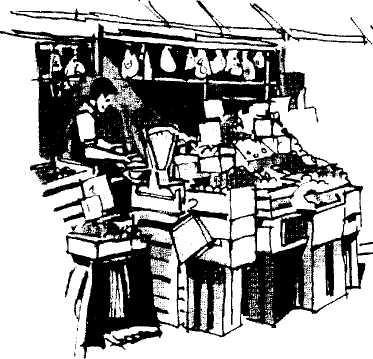 y
the time Paul was 30, however, he decided he wanted a fresh
challenge (= a new exciting situation). He was keen to work abroad,
so he resigned from his company (= officially told the company he
was leaving his job; you can also say 'he quit the company') and
started looking for a new job with a bigger company. After a couple
of months he managed to find a job with an international company
which involved (= included) a lot of foreign travel. He was very
excited about the new job and at first he really enjoyed the
travelling, but ...
y
the time Paul was 30, however, he decided he wanted a fresh
challenge (= a new exciting situation). He was keen to work abroad,
so he resigned from his company (= officially told the company he
was leaving his job; you can also say 'he quit the company') and
started looking for a new job with a bigger company. After a couple
of months he managed to find a job with an international company
which involved (= included) a lot of foreign travel. He was very
excited about the new job and at first he really enjoyed the
travelling, but ...
Hard times
After about six months, Paul started to dislike the constant moving around, and after a year he hated it; he hated living in hotels, and he never really made any friends in the new company. Unfortunately his work was not satisfactory either and finally he was sacked (= told to leave the company / dismissed / given the sack) a year later.
After that, Paul found things much more difficult. He was unemployed (= out of work / without a job) for over a year. He had to sell his car and move out of his new house. Things were looking bad and in the end Paul had to accept a part-time job (= working only some of the day or some of the week) on a fruit and vegetable stall in a market.
Happier times
To his surprise, Paul loved the market. He made lots of friends and enjoyed working out in the open air. After two years, he took over (= took control of) the stall. Two years later he opened a second stall, and after ten years he had fifteen stalls. Last year Paul retired (= stopped working completely) at the age of 55, a very rich man.
Which job?
Lexis: jobs
1Work with a partner. Match the characteristics with the jobs. Add one more characteristic necessary for each job.
Characteristics
a) confident, good-looking, slim
b) adventurous, energetic, strong
c) creative, sensitive, artistic
d) cheerful, sociable, energetic
e) sensible, honest, good at Maths
f)helpful, hard-working, kind
Job
1. a snowboarder
2. an accountant
3. a nurse
4. a model
5. a tourist guide
6. a graphic designer
Reading
2. Work with a partner. You are going to read an article about the model and snowboarder Charlotte Dutton. Which words and phrases in the box do you associate with modeling? Which do you associate with snowboarding?
|
muscles slim freezing strong Paris warm baggy clothes crash helmet designer clothes |
3. Read the article and check your answers to 2.
Born: 1980 Height: lm 72 Weight: 51 kg Hometown: London
Job: Snowboarder and model
Charlotte Dutton has two jobs. Half the year she's a top model in Europe, and the other half she's a professional snowboarder in Canada. Here she talks about the problems of having two careers.
' I
love modelling and snowboarding,' she says, 'but I have to be two
different people! You need muscles to be a snowboarder, but you
have to be slim to be a model. When I'm modelling I can't eat
anything fattening. But in the mountains it's freezing, so you have
to eat protein, cakes and chocolate. For the jumps and turns, you
have to be strong. Snowboarding is sometimes dangerous, and I
often fall. But I have to be careful because I can't break my leg
and then go to Paris to model the best skirts. It's funny -half the
year I have to wear warm baggy clothes and a crash helmet. Then I
go to Europe for a season, and I have to wear beautiful designer
clothes.'
I
love modelling and snowboarding,' she says, 'but I have to be two
different people! You need muscles to be a snowboarder, but you
have to be slim to be a model. When I'm modelling I can't eat
anything fattening. But in the mountains it's freezing, so you have
to eat protein, cakes and chocolate. For the jumps and turns, you
have to be strong. Snowboarding is sometimes dangerous, and I
often fall. But I have to be careful because I can't break my leg
and then go to Paris to model the best skirts. It's funny -half the
year I have to wear warm baggy clothes and a crash helmet. Then I
go to Europe for a season, and I have to wear beautiful designer
clothes.'
Does she want to be a top international model or an Olympic snowboarder? The answer is she wants to do both ... but when she's much older, she dreams of living in a bakery and eating cakes all day!
4. Imagine you could do two jobs. Which two jobs would you like to do? Discuss your ideas with a partner.
5. Work with a partner. The beginnings and ends of these sentences are mixed up. Rearrange them to make realistic sentences.
a) A snowboarder can work from home.
b) A DJ has to have very clean hands.
c) A writer has to wear a crash helmet.
d) A tourist guide can't eat fattening food.
e) A model has to know a lot of history.
f) A cook doesn't have to get up early in the morning.
For example: A snowboarder has to wear a crash helmet.
6. Work with a partner. Complete the interviews with can, can't, have to or don't have to.
Interview A
Interviewer: Cherry Tree, your new film is a big hit. How do you feel?
C: I feel terrible.
I: Sorry?
C: I feel terrible, because I hate being famous. It's boring. I(1) go to parties.
I (2) ___ sign autographs.
I: But you're ...
C: I (3) ___ wear make-up all day. I (4) ___ kiss Brad Pitt.
I: Oh deah. That's terrible. But you're rich now. You (5) ___ buy anything you want.
C: Yes, but there are photographers everywhere. I (6) ___ walk down the street.
I (7) ___ go shopping. I (8) ___ go clubbing and I (9) ___ have a private life.
I: Well, why did you make the film?
C: And I (10) ___ answer stupid questions!
Interview В
Interviewer: Max Nova, can you answer a few questions?
M: Sure, no problem.
I: Your film is a big success. How do you feel?
M: I feel fantastic. I love being rich, and I love being famous!
I: Now that you're rich and famous, is your life very different?
M: Oh yeah, very different. I (1) ___ worry about money any more. I (2) ___ buy anything I want I (3) ___ buy a new can I (4) ___ buy a big house. I (5) ___ travel first class ... and I (6) ___ meet some very interesting people.
Career moves
1. Put the jobs in order: from the most interesting to the least interesting. Which job did you rank number 1? Why? What are three jobs in your culture that might seem unusual to a person from another culture?
– Personal shopper (does people’s shopping for them)
– Gossip columnist (writes about famous people’s lives)
– Chocolate taster (eats candy and gives opinions)
– Menu writer (chooses the right words to describe a restaurant’s food)
– Toy tester (decides if new toys are fun and safe)
2. Decide…
a) which is the easiest job? (baby-sitter, dentist, footballer, teacher)
b) the most boring? (car park attendant, assembly line worker, shepherd, window cleaner)
c) the most tiring? (doctor, farmer, miner, top model)
d) the most useful? (journalist, market researcher, nurse, postman)
e) the worst? (grave digger, prison warder, soldier, toilet cleaner)
3. Practise the dialogue. What does an interactive media designer do? Does it sound interesting to you? Why or why not? Find gerund phrases.
Tim: Wow! There are so many jobs to choose from! What do you think?
Diane: Working in the media could be fun: there's TV, newspapers, the Internet....
Tim: Well, let's look. Hmm. How about this? You could be a TV news director.
Diane: Are you kidding? Directing the news would be nerve-racking!
Tim: Well, writing for a magazine must be exciting. How about that?
Diane: No. I'm really more interested in working with computers. Hey, look. Designing interactive media. I'd like that!
Tim: Designing interactive media? It sounds interesting, but what is it?
4. Make up sentences as in the example. Give your opinions about the jobs.
e.g. Doing medical research would be really rewarding
|
doing medical research working as an archaeologist writing for a newspaper teaching physically challenged childrenworking on a movie set being a politician conducting an orchestra being wealthy and not having to work |
seems sounds must be could be would be |
pretty difficult fascinating nerve-racking kind of boring fantastic pretty awful really rewarding very challenging |
5. Find phrases in the list that are usually paired with each verb.
|
being with animals a criminal lawyer public speaking |
working a secret agent as an artist on a cruise ship |
doing freelance writing an astronaut interviews with famous people |
6. Practise the dialogue. Find comparisons.
Tracy: Good news! I've found a summer job!
Mark: That's great! Anything interesting?
Tracy: Yes, working at an amusement park. Doesn't that sound fantastic?
Mark: Sure, it does.
Tracy: So, have you found anything?
Mark: Nothing yet, but I've got a couple of leads. One is working as an intern for a record company - mostly answering phones. Or I can get a landscaping job again.
Tracy: Being an intern sounds more interesting than landscaping. And it's probably not as hard!
Mark: Yeah, but a landscaper earns more money than an intern. And you get a great tan.
7. Match the information to make sentences. Then rewrite each sentence in a different way.
A landscaper earns more than an intern.
An intern has better hours than a landscaper.
A landscaper is better paid than an intern.
Being an intern is more interesing than landscaping.
An intern doesn’t earn as much as a landscaper.
A landscaper has worse hours than an intern.
An intern is not as well paid as a landscaper.
Landscaping is less interesting than being an intern.
1. A counselor at a summer camp has worse hours
2. Selling popcorn in a movie theater is not as rewarding
3. A part-time tutor doesn’t earn
4. Working on a construction site is more dangerous
5. A tour guide is not as well paid
a) as a lifeguard.
b) than working on a cruise ship.
c) as working with the elderly.
d) than a dog walker.
e) as much as a housepainter.
8. Choose two summer jobs from the list. Then use the questions to compare them.
a baby-sitter
a dance instructor
a hiking trail guide
an assistant in a museum
a chef’s assistant
a dog walker
a park ranger
a telephone operator
Which job do you think pays more? Which one has better hours? Which one is more interesting? harder? more interesting? more rewarding?
9. Read this letter of application for a job at Reynold's Department Store. Use the words and expressions above to improve the parts of the letter that are underlined.
(enclosed) Sir or Madam a new challenge look forward to hearing would like to apply for reached retirement age
45 Walpole Rd
Bournemouth BH 1 4EH
Reynold’s Department Store
100-105 Wimbourne Rd 6th July 2002
Dear (1) Mr or Mrs
I saw your advertisement for a job as sales assistant in your garden furniture department and I (2) want the job.
I am an experienced shop assistant and I have worked in many different departments. Please see my curriculum vitae (3) in the same envelope for more details.
I started working in shops when I was twenty-one, forty-five years ago. I left my last job six years ago when I (4) got too old, but I get terribly bored at home. I feel I am ready for (5) new things now.
I would be available for an interview at any time., even at short notice.
I (6) can't wait to hear from you.
Yours faithfully,
(signature)
Edna Smith (Miss)
10. Write your own letter of application for your dream job.
11. Read, translate and retell the text:
PLANNING A CAREER
Having a job and having a career are two very different things. A job is something you do to make money. You may enjoy the job, work hard at it and do well, but you are primarily doing it for the money to satisfy your other interests outside of the work environment. A career is something that integrates your desires and interests so that it gives you satisfaction above and beyond the money you make. To have a career means commitment and development but first of all planning.
This process can begin at any age. For some people it starts when they are small children and visit mom or dad at their place of work. For others it can come later through the inspiration of a teacher or exposure to a wider range of fields.
It is up to each individual to decide whether a job or career is best for them. People may share the same talent and interest but other aspects of their personality will dictate which direction to go with that interest. For example, one guitar player may decide to plan a career as a professional musician. Another may decide that the financial insecurity is too much for him, get a regular job satisfy his musical interests in his free time.
Whether you decide to get a job or plan a career, the job market today is quite different from that of your parents. In the Soviet system young people were guaranteed a job upon graduation. Now, there are no guarantees after university, institute or school.
The young person in today's Russia faces a very competitive job market.
What do the new dynamics of the Russian job market mean for young people? First, if they have decided they want a career, they must start early in their academic life to plan and take steps to develop their professional careers. Second, in addition to a suitable background for a desired career, creativity, self-promotion and preparation are absolutely vital for any sort of success in the job search. Last, students must develop confidence in themselves and recognize the power that each of them has to take control of their future and shape it in a way that is best for them.
12. Ask your groupmates:
– кем он (она) хотел бы работать
– какие две работы он (она) мог бы совмещать
– какая работа для него (нее) самая легкая
– какая работа для него (нее) самая трудная
– какую из уникальных работ он (она) предпочел бы
THE MAIN CITIES OF AMERICA
I. Words and word combinations to be remembered: