ВУЗ: Не указан
Категория: Не указан
Дисциплина: Не указана
Добавлен: 17.04.2021
Просмотров: 1244
Скачиваний: 2
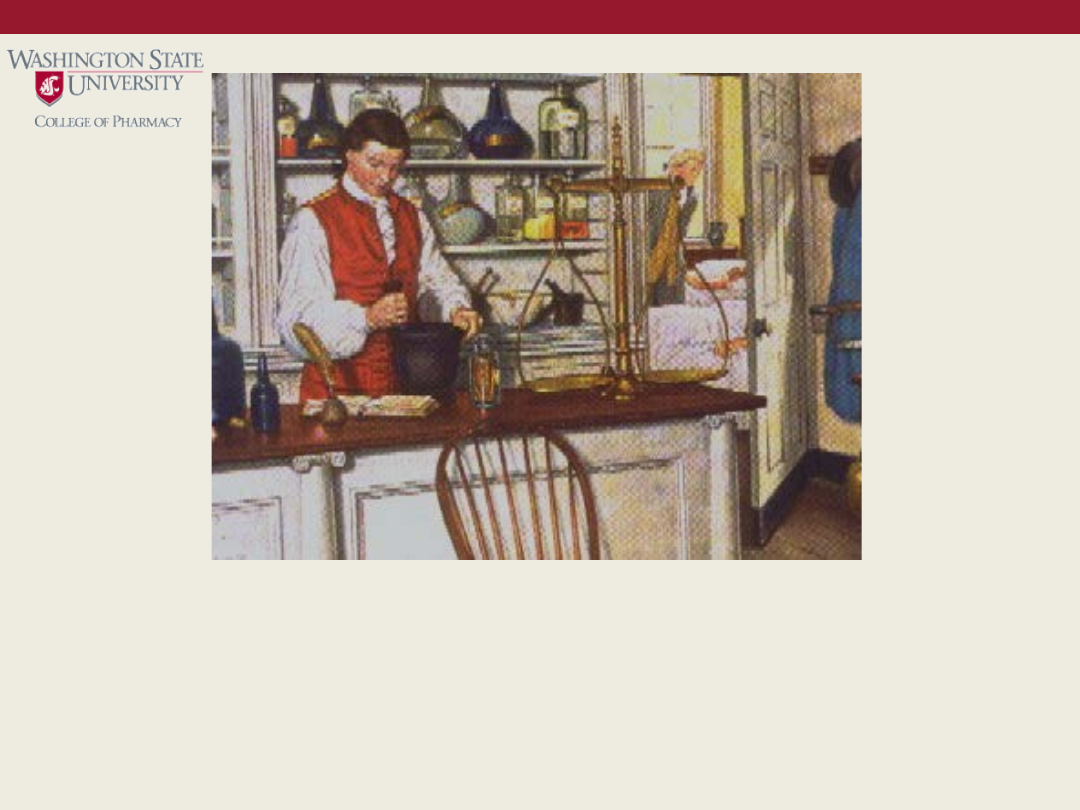
20. First Hospital in Colonial America
Colonial America's first hospital (Pennsylvania) was established in Philadelphia in 1751; the
first Hospital Pharmacy began operations there in 1752, temporarily set up in the Kinsey
house, which served until the first hospital building was completed. The ingenuity of Benjamin
Franklin was helpful in both. First Hospital Pharmacist was Jonathan Roberts; but it was his
successor, John Morgan, whose practice as a hospital pharmacist (1755-56), and whose
impact upon Pharmacy and Medicine influenced changes that were to become of importance
to the development of professional pharmacy in North America. First as pharmacist, later as
physician, he advocated prescription writing and championed independent practice of two
professions.
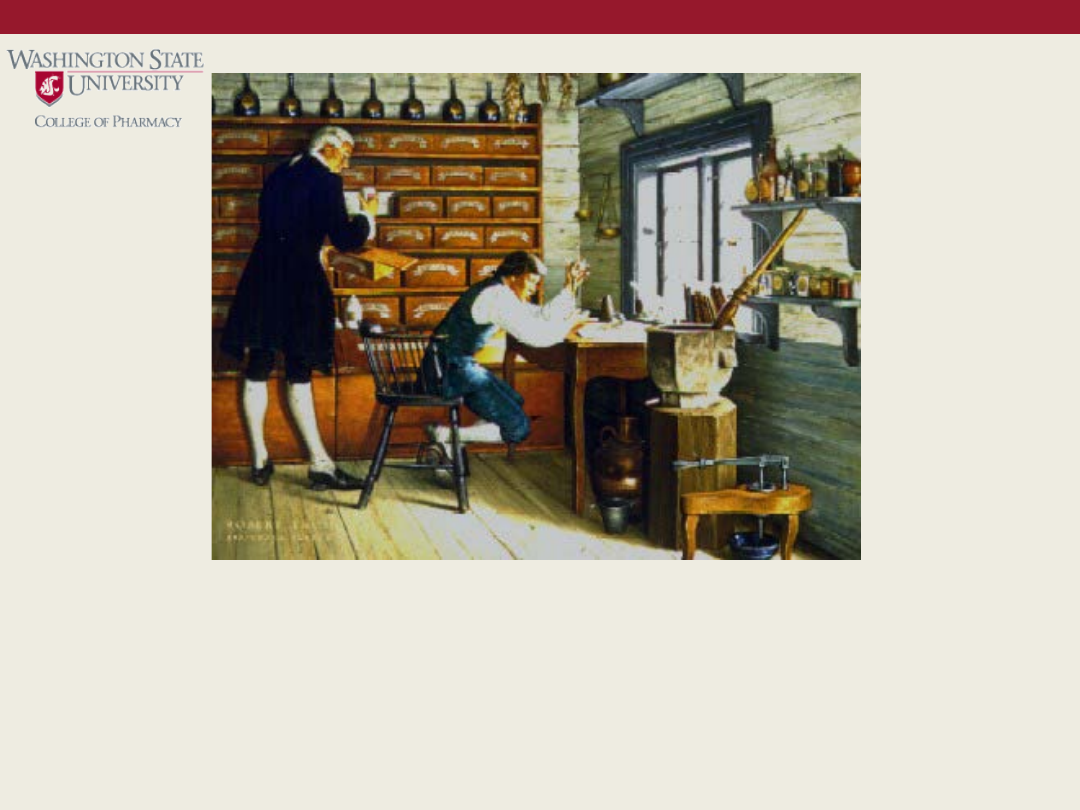
21. Scheele – Greatest of the Pharmacists-Chemists
During his few short years, Carl Wilhelm Scheele gave to the world discoveries that have
brought its people incalculable advantages. Yet he never forgot that he was, first of all, a
pharmacist. Encouraged by enlightened preceptors, all of his discoveries were made in the
Swedish pharmacists in which he worked, as apprentice, as clerk, and finally as owner, in
Köping. He began in a corner of the stock room of Unicorn Apothecary in Gothenburg. With
rare genius, he made thousands of experiments, discovered oxygen, chlorine, prussic acid,
tartaric acid, tungsten, molybdenum, glycerin, nitroglycerin, and countless other organic
compounds that enter into today's daily life, industry, health, and comfort.

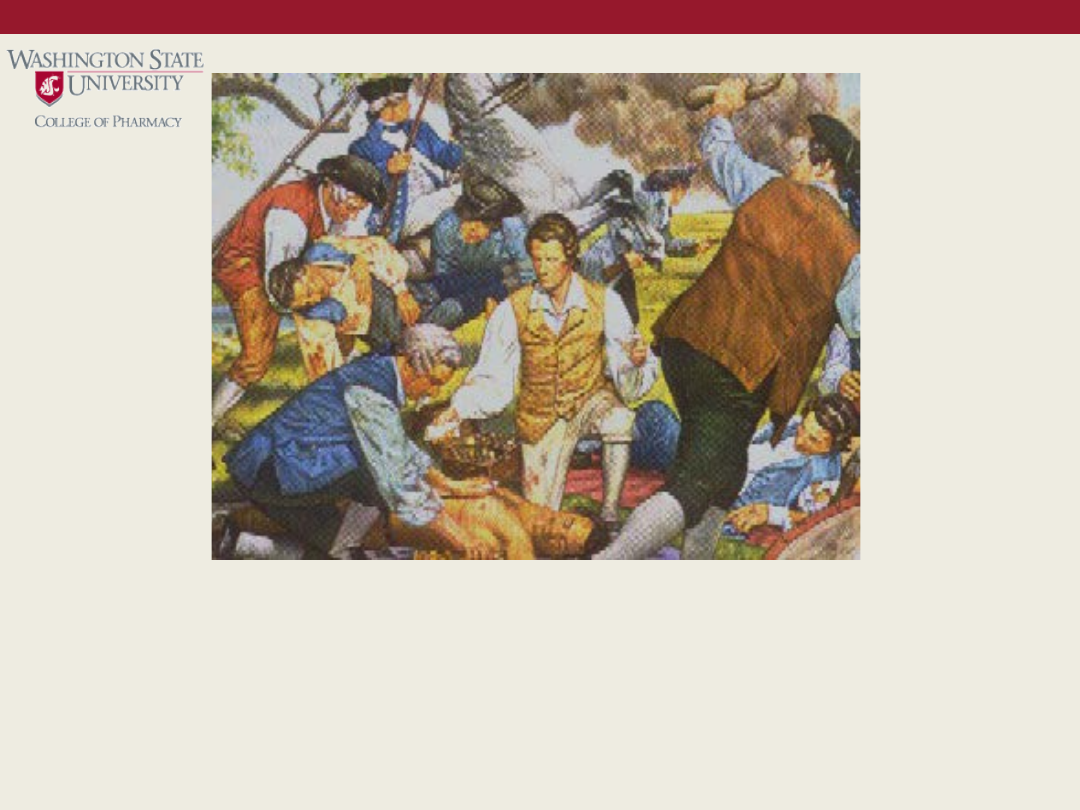
22. Craigie – America’s First Apothecary General
During his few short years, Carl Wilhelm Scheele gave to the world discoveries that have
brought its people incalculable advantages. Yet he never forgot that he was, first of all, a
pharmacist. Encouraged by enlightened preceptors, all of his discoveries were made in the
Swedish pharmacists in which he worked, as apprentice, as clerk, and finally as owner, in
Köping. He began in a corner of the stock room of Unicorn Apothecary in Gothenburg. With
rare genius, he made thousands of experiments, discovered oxygen, chlorine, prussic acid,
tartaric acid, tungsten, molybdenum, glycerin, nitroglycerin, and countless other organic
compounds that enter into today's daily life, industry, health, and comfort.
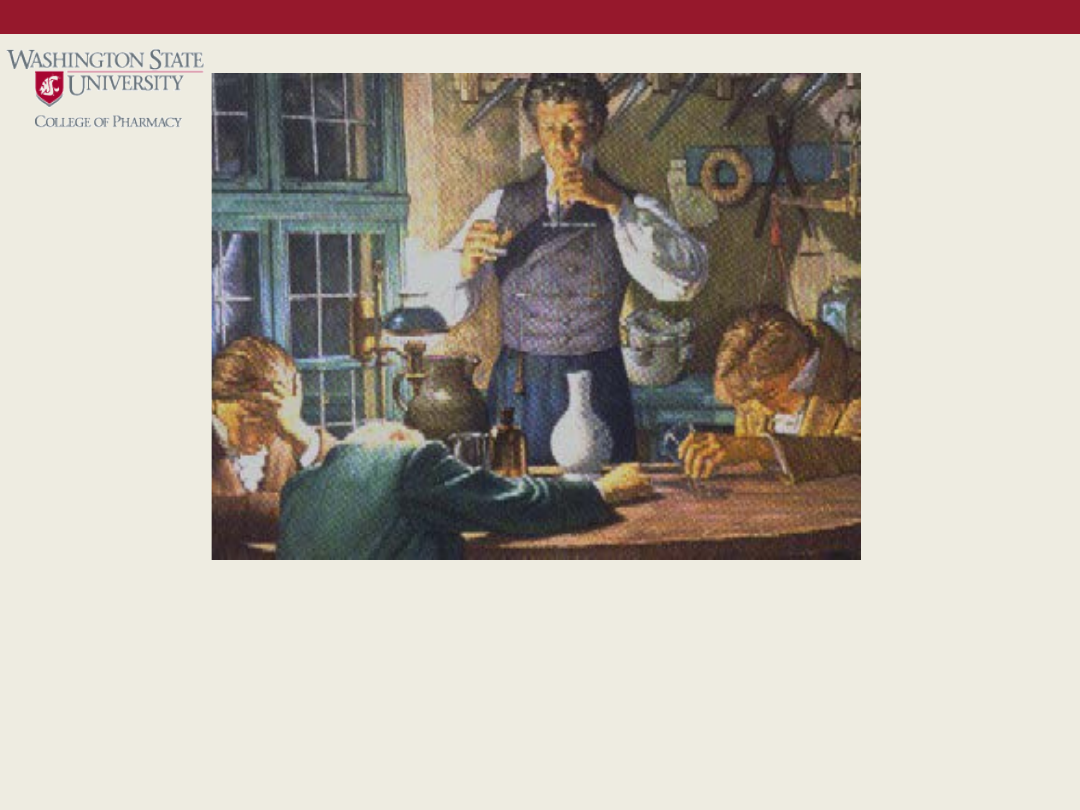
23. Sertürner – First of the Alkaloid Chemists
Swedish pharmacist Scheele paved the way for isolating organic plant acids; but it remained
for a young German apothecary, Friedrich Wilhelm Adam Sertürner, to give the world opium's
chief narcotic principle, morphine; and to recognize and prove the importance of a new class of
organic substances: alkaloids. His first announcements challenged, Sertürner in 1816
conducted a new series of bold, startling experiments in his apothecary shop in Einbeck,
including a series of physiologic tests on himself and three young friends. Recognition and
fame followed. Relocating in an apothecary shop in Hameln, Sertürner continued organic
chemical experimentation and discovery throughout his life.
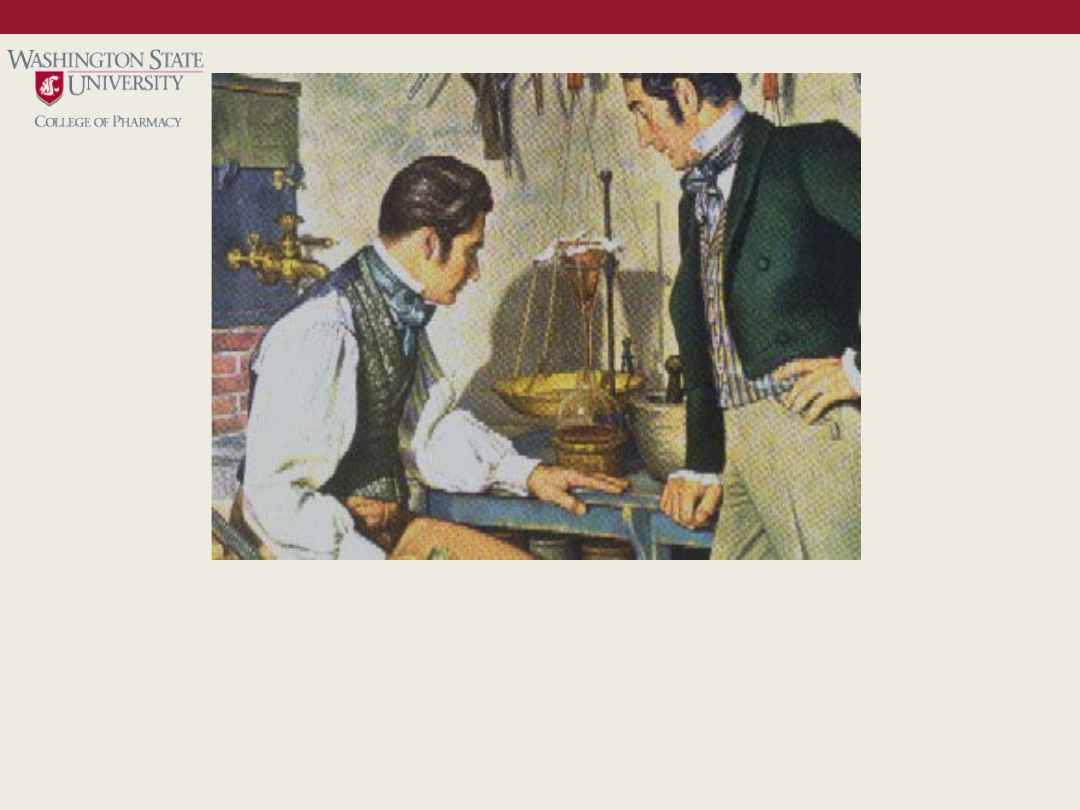
24. Caventou, Pelletier and Quinne
Taking their cue from Sertürner's alkaloidal experiments, two French pharmacists, Messrs.
Pierre-Joseph Pelletier and Joseph-Bienaimé Caventou, isolated emetine from ipecacuanha in
1817; strychnine and brucine from nux vomica in 1818; then, in their laboratory in the back of a
Parisian apothecary shop, they tackled the problem that had baffled scientists for decades -
wresting the secrets of the Peruvian barks that were so useful against malaria. In 1820
Caventou and Pelletier announced the methods for separation of quinine and cinchonine from
the cinchona barks; prepared pure salts, had them tested clinically, and set up manufacturing
facilities. Many other discoveries came from their pharmacy-laboratory; high honors were
accorded them.